Preparing your home for storm damage restoration in Mcdonough
Prepare your home for storm damage restoration in Mcdonough with these essential tips and expert advice.
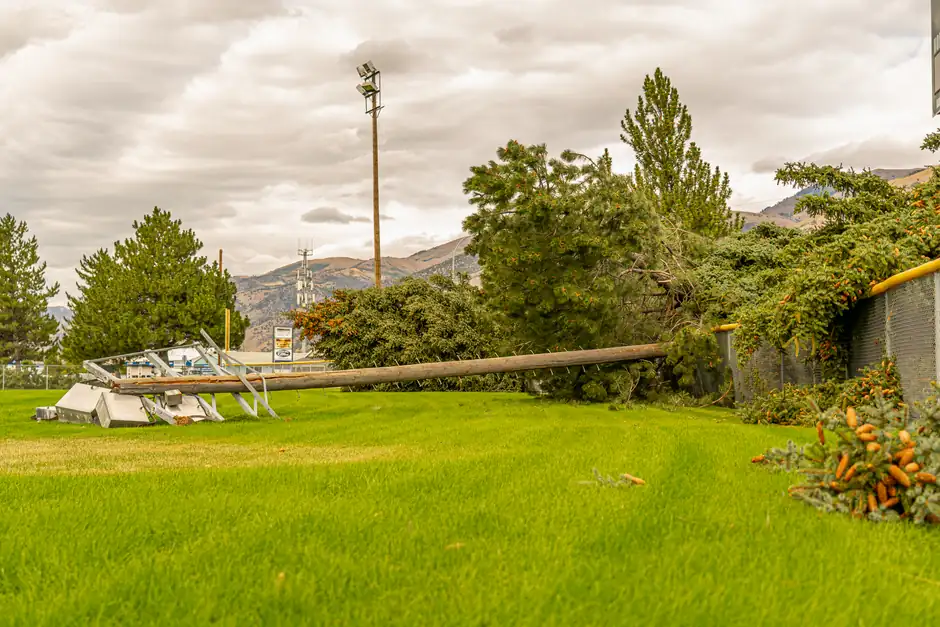
Preparing your home for storm damage restoration in Mcdonough involves proactive measures to minimize damage and ensure safety. Taking the right steps before, during, and after a storm can significantly reduce the impact of water damage on your property.
Storm damage restoration is the process of repairing and restoring a home affected by severe weather conditions, particularly flooding and water intrusion. Understanding how to prepare for such events is crucial for homeowners in Mcdonough, where storms can lead to significant water damage.
Why is storm damage restoration important?
Storm damage restoration is vital for maintaining your home's structural integrity and preventing long-term issues. In Mcdonough, heavy rains and storms can lead to flooding, which can cause extensive damage to walls, flooring, and personal belongings. Prompt restoration not only protects your investment but also ensures the safety of your family.
What should you do before a storm hits?
Before a storm approaches, there are several essential steps you should take to prepare your home:
- Inspect your property: Regularly check your roof, gutters, and downspouts for any debris or damage that could worsen during a storm.
- Secure outdoor items: Bring in or secure any patio furniture, decorations, or tools that could become projectiles in high winds.
- Create an emergency kit: Assemble a kit that includes water, non-perishable food, flashlights, batteries, and first-aid supplies.
- Review your insurance policy: Ensure your homeowners insurance covers storm damage and understand the claims process.
How to assess storm damage after it occurs?
After a storm, assessing the damage quickly and thoroughly is crucial. Start with these steps:
- Check for safety: Ensure that it is safe to enter your home. Look for downed power lines, gas leaks, or structural instability.
- Document the damage: Take pictures of all affected areas and items for insurance claims.
- Check for water intrusion: Look for signs of water damage in walls, ceilings, and floors. Pay attention to unusual odors, which may indicate mold growth.
- Contact professionals: If you notice significant damage, contact a local restoration service, such as storm damage restoration, for assistance.
What are the steps for storm damage restoration?
Storm damage restoration typically involves the following steps:
- Emergency contact: Reach out to a restoration service immediately after assessing the damage. Mcdonough Water Damage Experts can provide quick response services.
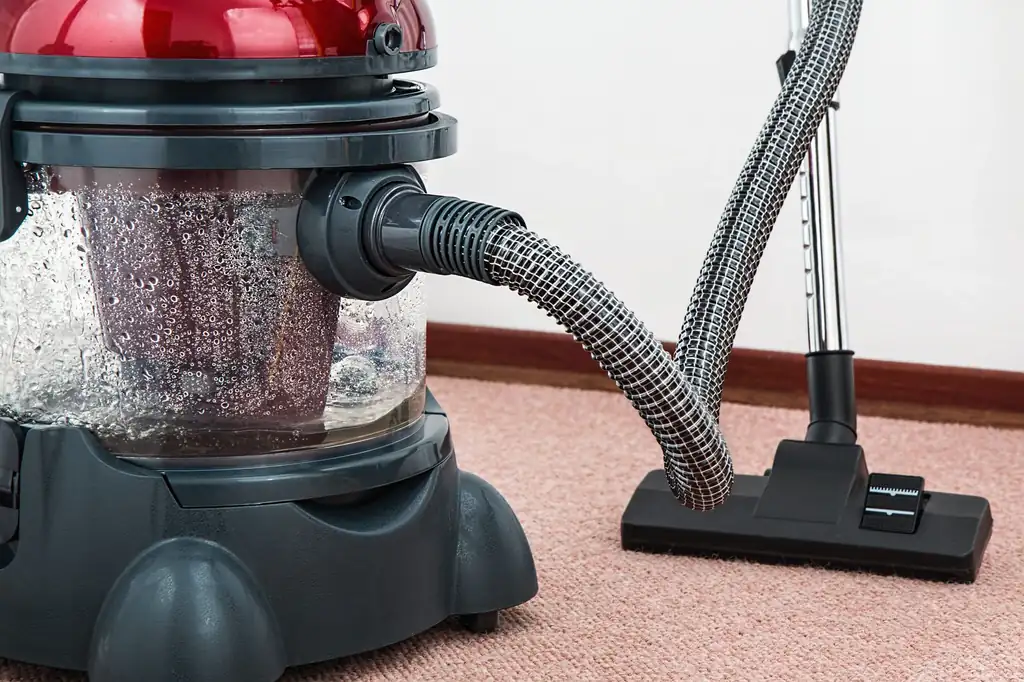
- Water extraction: Use pumps and vacuums to remove standing water from your home. This is often part of emergency water extraction.
- Drying and dehumidification: Implement drying techniques to remove moisture from walls, floors, and furniture. This may involve using industrial fans and dehumidifiers.
- Mold remediation: If mold is present, it must be removed to prevent health issues. Professional services for mold remediation ensure safe removal.
- Restoration: Finally, restore your home to its pre-damage condition through repairs and renovations.
Common mistakes to avoid during restoration
During storm damage restoration, homeowners often make mistakes that can lead to further issues. Here are some common pitfalls to avoid:
- Delaying action: Waiting too long to address water damage can lead to mold growth and structural issues.
- Ignoring safety: Entering a damaged home without proper safety gear can lead to injuries.
- DIY repairs: Attempting to fix extensive damage without professional help can exacerbate the problem.
- Neglecting insurance: Failing to document damage for insurance claims can hinder your reimbursement process.
When to call a professional?
It's advisable to call professionals when you encounter significant water damage, structural issues, or mold growth. Mcdonough Water Damage Experts can assist with comprehensive restoration services tailored to your needs.
Frequently Asked Questions
1. How long does storm damage restoration take?
Storm damage restoration can take anywhere from a few days to several weeks, depending on the extent of the damage. Factors include water removal, drying time, and repairs needed.
2. What is the average cost of storm damage restoration?
The average cost for storm damage restoration in Mcdonough ranges from $1,500 to $5,000, depending on the severity of the damage and the services required.
3. Can I stay in my home during restoration?
Staying in your home during restoration is possible if the damage is minor. However, severe damage or mold growth may require temporary relocation for safety.
4. What types of insurance cover storm damage?
Most homeowners insurance policies cover storm damage, but it's essential to verify your specific coverage. Flood insurance may be required for high-risk areas.
5. How can I prevent future storm damage?
Regular maintenance, such as gutter cleaning and roof inspections, can help prevent future storm damage. Consider installing storm shutters for added protection.
Get help with Water Damage Restoration in Mcdonough
For comprehensive water damage restoration services in Mcdonough, contact us today. Our team is ready to assist you with expert solutions tailored to your needs.
Call us at (770) 229-3160 for immediate assistance.