How to remove mold after water damage in your home
Discover effective techniques to remove mold after water damage in your Mcdonough home and when to seek professional help.
Mold removal after water damage is crucial to maintaining a safe and healthy home. Mold can begin to grow within 24 to 48 hours after water exposure, making prompt action essential. This article will guide you through the process of identifying, removing, and preventing mold in your Mcdonough home.
Mold removal is a process that involves eliminating mold growth caused by moisture, often following water damage incidents. Understanding how to effectively remove mold can save you from extensive damage and health issues.
What is mold?
Mold is a type of fungus that thrives in damp environments. It reproduces through spores that can easily spread through the air. In homes, mold often appears in areas with high humidity or water damage, such as bathrooms, kitchens, and basements.
Why does mold grow after water damage?
After water damage, mold growth is often triggered by moisture and organic materials found in homes. In Mcdonough, where humidity levels can be high, the risk of mold increases significantly after flooding or leaks. Mold spores can settle on surfaces, and if the environment remains damp, they will begin to grow.
How to identify mold in your home
Identifying mold early can help you prevent further damage. Look for:
- Visible mold growth, which can appear as black, green, or white patches.
- A musty odor that indicates mold presence.
- Water stains or discoloration on walls and ceilings.
If you suspect mold but cannot see it, consider checking hidden areas such as behind appliances or inside walls, especially in older homes in Mcdonough.
Steps to remove mold after water damage
Removing mold involves several steps:
- Assess the damage: Determine the extent of the water damage and mold growth. If the affected area is larger than 10 square feet, consider hiring professionals.
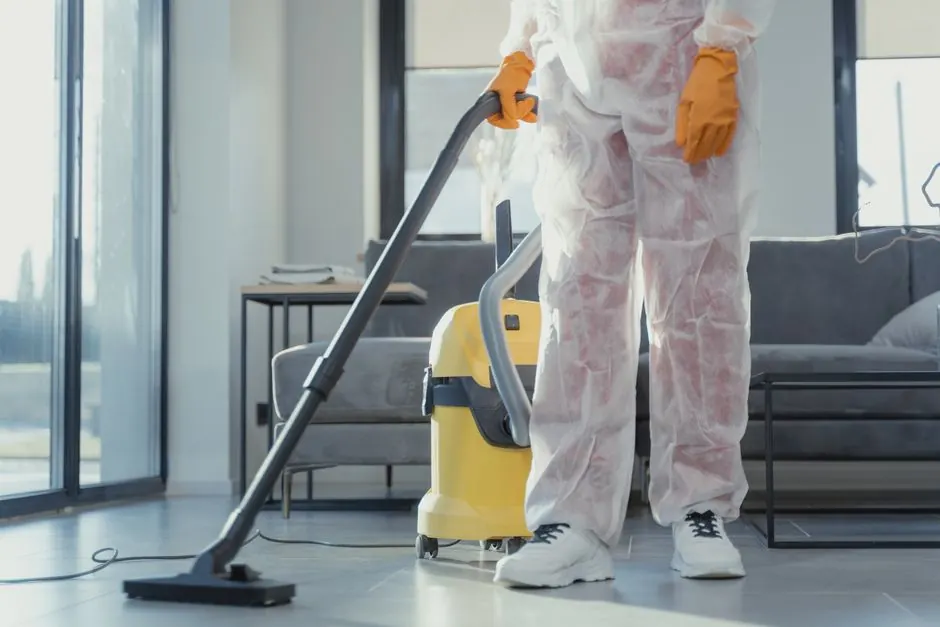
- Protect yourself: Wear protective gear including gloves, goggles, and a mask to avoid inhaling spores.
- Remove moisture: Use dehumidifiers and fans to dry the affected area quickly. This step is crucial, as mold thrives in damp conditions.
- Clean surfaces: For small areas, scrub mold off hard surfaces using a mixture of water and detergent. For porous materials like drywall, removal may be necessary.
- Disinfect: Apply a mold-killing solution, such as a mixture of water and bleach (1 cup bleach to 1 gallon of water), to disinfect surfaces.
- Prevent future growth: Address the source of moisture and ensure proper ventilation in your home. Consider using Dehumidification Services Mcdonough GA to maintain optimal humidity levels.
Common mistakes to avoid
Many homeowners make mistakes during mold removal:
- Ignoring hidden mold: Mold can grow in unseen areas, so thorough inspections are necessary.
- Using improper cleaning methods: Avoid using a vacuum without a HEPA filter, as it can spread spores.
- Neglecting to address moisture sources: Failing to fix leaks or improve ventilation can lead to recurring mold issues.
When to call a professional
If mold covers a large area, or if you experience health issues like respiratory problems, contact a professional. The Mold Remediation Mcdonough GA services can ensure safe and thorough removal. Professionals also have specialized equipment to detect and eliminate mold that you might miss.
Frequently Asked Questions
1. How long does it take to remove mold?
Removing mold can take anywhere from a few hours to several days, depending on the extent of the damage and the size of the affected area.
2. Can I remove mold myself?
Yes, for small areas, homeowners can remove mold using proper techniques and protective gear. However, larger infestations should be handled by professionals.
3. How much does mold remediation cost?
The average cost for mold remediation in 2026 ranges from $500 to $6,000, depending on the severity of the mold problem and the size of the area affected.
4. What are the health risks of mold exposure?
Mold exposure can lead to respiratory issues, allergic reactions, and other health problems, particularly for sensitive individuals.
5. How can I prevent mold from returning?
To prevent mold, keep your home dry, fix leaks promptly, and maintain good ventilation. Regularly check areas prone to moisture.
Get help with Water Damage Restoration in Mcdonough
If you've experienced water damage and mold growth in your home, contact our team at Mcdonough Water Damage Experts. We provide comprehensive services to restore your home and ensure a safe environment.
Call us today at (770) 229-3160 for immediate assistance.