How to dry hardwood floors after water damage
Discover effective methods to dry hardwood floors after water damage, ensuring your home in Mcdonough stays safe and beautiful.
Drying hardwood floors after water damage is crucial to prevent warping and mold growth. Immediate action can save your flooring and maintain your home's value. This article will guide you through the assessment process, effective drying methods, and when to seek professional help in Mcdonough.
Hardwood floor drying is a critical restoration process that minimizes damage following water exposure. It involves removing moisture from the wood to restore its original condition and prevent further issues.
How to assess the damage
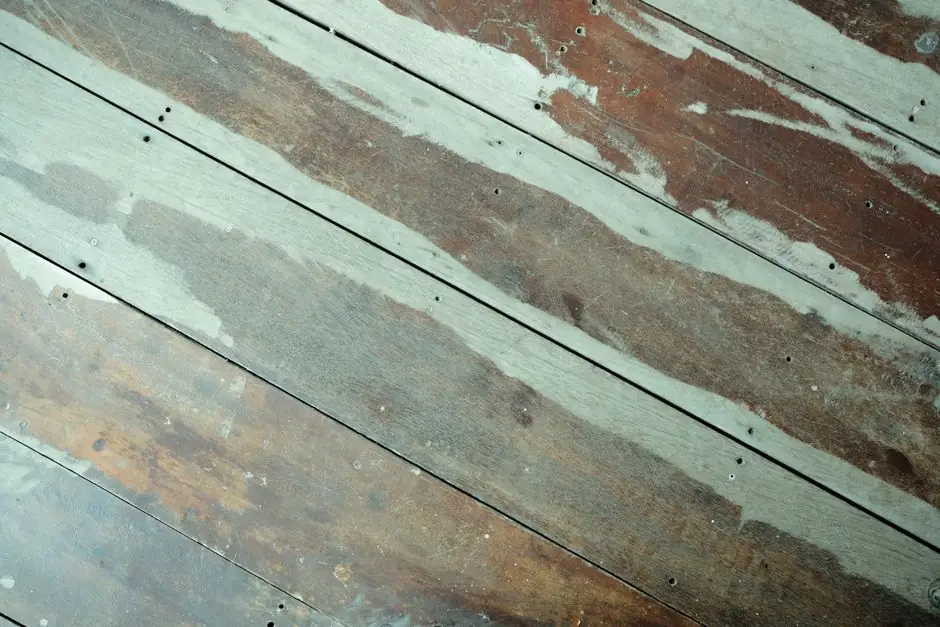
Assessing the damage to your hardwood floors is the first step in the drying process. Begin by checking for visible signs of water damage, such as discoloration, warping, or buckling. Use a moisture meter to measure the moisture content in the wood; ideally, this should be between 6-12%. If readings exceed 12%, immediate drying is necessary.
In Mcdonough, where humidity can be high, prompt action is vital. If your floors are excessively damp, consider contacting hardwood floor drying experts who can provide specialized equipment and techniques.
Steps to dry hardwood floors
Follow these steps to effectively dry your hardwood floors:
- Remove Furniture: Clear the area of all furniture and items to allow for proper airflow.
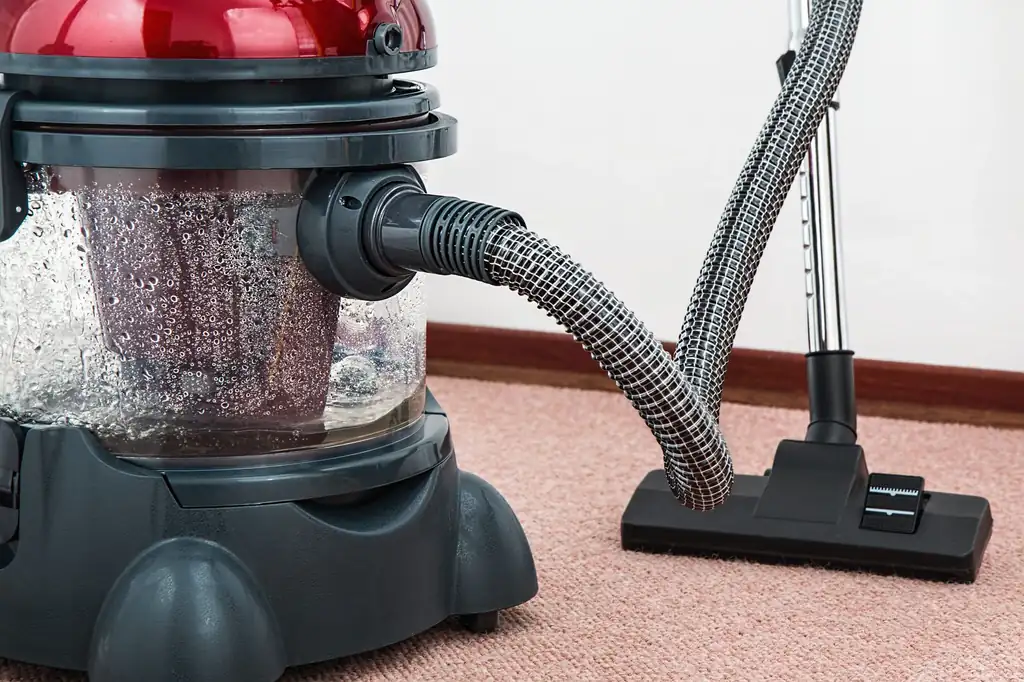
- Extract Standing Water: Use a wet/dry vacuum to remove any standing water. This is crucial to prevent further damage.
- Increase Airflow: Open windows and doors to promote ventilation. Use fans to circulate air across the floor.
- Use Dehumidifiers: Set up dehumidifiers in the affected area to reduce humidity levels. Aim for a humidity level of 30-50%.
- Monitor Progress: Regularly check the moisture levels with your moisture meter. Once levels are back to normal, you can proceed with any necessary repairs.
For severe cases, you may need to utilize dehumidification services to ensure thorough drying, especially in humid environments like Mcdonough.
Common mistakes to avoid
When drying hardwood floors, avoid these common mistakes:
- Ignoring the Source of Water: Always identify and fix the source of the water damage before drying.
- Using Excessive Heat: Avoid using high heat to dry the floors, as this can cause the wood to crack or warp.
- Not Monitoring Moisture Levels: Failing to check moisture levels can lead to mold growth and further damage.
When to call a professional
If you find extensive damage or if the moisture levels do not decrease after your initial efforts, it may be time to call in professionals. The team at Mcdonough Water Damage Restoration specializes in comprehensive water damage solutions, including hardwood floor drying and mold remediation.
Frequently Asked Questions
1. How long does it take to dry hardwood floors? Drying time can vary based on the extent of the water damage and environmental factors, but typically it takes 24-48 hours for minor issues.
2. Can I use a hairdryer to speed up the drying process? Using a hairdryer is not recommended as it can create uneven heat and further damage the wood. Opt for fans and dehumidifiers instead.
3. What should I do if my hardwood floor starts to buckle? Buckling indicates severe moisture damage. Stop any drying attempts and consult a professional for assessment and repair.
4. Is it necessary to replace hardwood floors after water damage? Not always. If caught early and dried properly, many hardwood floors can be saved with professional help.
5. How can I prevent future water damage to my hardwood floors? Regular maintenance, fixing leaks promptly, and using area rugs in high-traffic areas can help prevent future issues.