Best practices for dehumidification after water damage
Discover the best practices for dehumidification after water damage in Mcdonough, ensuring effective moisture control and restoration.

Dehumidification is a critical process in restoring a property after water damage. Effective dehumidification helps prevent mold growth and structural damage.
In Mcdonough, where humidity can be high, understanding the best practices for dehumidification is essential for homeowners facing water damage. This article will explore the importance of dehumidification, best practices, common mistakes, and when to seek professional help.
What is dehumidification?
Dehumidification is the process of reducing the level of humidity in the air. This is particularly necessary after water damage, as excess moisture can lead to mold growth and damage to building materials.
Why is dehumidification important after water damage?
Dehumidification is crucial after water damage because it helps to:
- Prevent mold growth: Mold can start growing within 24 to 48 hours after water exposure.
- Protect structural integrity: Excess moisture can weaken materials like wood and drywall.
- Improve air quality: Reducing humidity levels can help eliminate allergens and irritants.
In Mcdonough, the warm climate can exacerbate these issues, making prompt dehumidification even more important.
What are the best practices for dehumidification?
Implementing effective dehumidification practices involves several steps:
- Assess the damage: Determine the extent of water damage and identify affected areas.
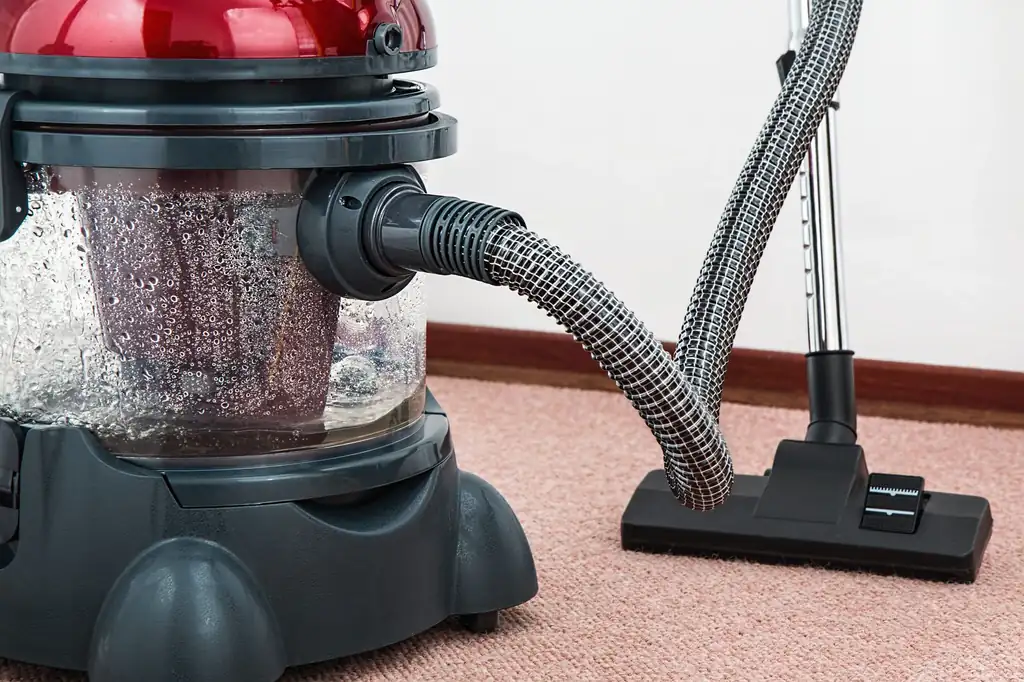
- Remove standing water: Use pumps or wet vacuums to remove any standing water. This is often the first step before dehumidification.
- Use dehumidifiers: Invest in high-capacity dehumidifiers. For larger areas, consider professional dehumidification services to ensure thorough moisture removal.
- Ventilate the area: Open windows and doors to improve air circulation. This can aid in the drying process.
- Monitor humidity levels: Use a hygrometer to keep track of humidity levels. Aim for a range between 30% and 50% for optimal conditions.
- Inspect for mold: Regularly check for signs of mold growth during and after the dehumidification process.
In Mcdonough, where humidity can be high, monitoring and maintaining these practices is essential for long-term success.
Common mistakes to avoid during dehumidification
Several common mistakes can hinder effective dehumidification:
- Ignoring the source of moisture: Always identify and address the source of water before starting dehumidification.
- Relying solely on natural ventilation: While opening windows can help, it may not be sufficient in humid conditions. Mechanical dehumidification is often necessary.
- Neglecting to monitor humidity levels: Failing to track humidity can lead to ineffective drying and potential mold growth.
When to call a professional
If you experience significant water damage, it may be wise to call Mcdonough Water Damage Experts. Professionals can provide specialized emergency water extraction and dehumidification services tailored to your situation. They have the necessary equipment and expertise to ensure thorough moisture removal and prevent future issues.
Frequently Asked Questions
1. How long does dehumidification take? Dehumidification can take anywhere from a few days to a week, depending on the extent of the water damage and humidity levels.
2. Can I use a regular fan instead of a dehumidifier? While fans can help circulate air, they do not remove moisture from the air as dehumidifiers do, making them less effective.
3. What humidity level should I maintain? Aim to keep indoor humidity levels between 30% and 50% for optimal comfort and mold prevention.
4. Is it necessary to remove carpets after water damage? It depends on the extent of the damage. If carpets are soaked and not dried quickly, they may need to be replaced to prevent mold growth.
5. How much does dehumidification cost? Typical 2026 pricing for dehumidification services in Mcdonough ranges from $100 to $300 per day, depending on the equipment used and the size of the affected area.